PM2.5 dust (Particulate Matter 2.5) is made up of extremely tiny particles that are so small that the body cannot effectively trap or filter them before they enter the body. PM2.5 dust not only causes the air to appear hazy, but is also a form of pollution and harmful chemical substances composed of heavy metals and carcinogenic compounds.
Although PM2.5 dust is so small that it cannot be seen with the naked eye, it can have a significant impact on your child’s body. PM2.5 particles can easily enter your child’s body through the respiratory system — passing through the nose to the throat, bronchi, bronchioles, and deep into the lung alveoli without being filtered — before further penetrating into the body’s bloodstream.
Especially during the winter season, when the weather feels cool and pleasant — a perfect time to take your little one outdoors to enjoy nature — PM2.5 levels often rise to dangerous levels. This is because winter weather is typically dry with still air, allowing dust particles to accumulate and linger in the atmosphere.
Where does fine dust come from?
• Cigarette smoke;
• Grilling and barbecuing during cooking;
• Burning incense and candles;
• Toxic emissions and exhaust fumes from vehicles and industrial factories; and
• Fuel combustion, such as charcoal burning and forest fires.
What effects can PM2.5 have on your child’s body? Let’s take a look.
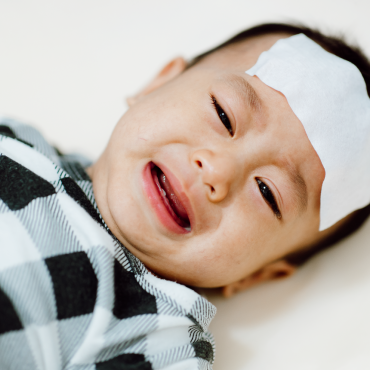
• Eye irritation, redness, dryness, and possible infections of the conjunctiva or cornea;
• Nasal congestion and runny nose;
• Nosebleeds;
• Coughing, worsening of allergies and asthma, making the lungs more prone to inflammation and infection;
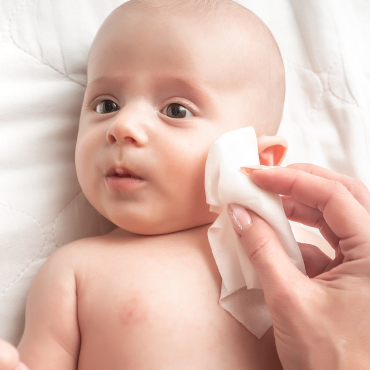
• Skin inflammation and itchy rashes; and
• Long-term effects: may affect a child’s brain development, impact overall growth, and potentially lower intelligence (IQ); may increase the risk of attention deficit disorders; reduce lung function; raise the risk of respiratory diseases, heart disease, and stroke; weaken the immune system; increase the risk of lung cancer; and cause premature skin aging
Which children are considered high-risk groups?
• Children with pneumonia and asthma;
• Children with allergic conditions, which may cause more frequent flare-ups and require increased use of symptom-control medication; and
• Children with heart disease
How to keep your little one safe on dusty days…
• Check the weather conditions, including the AQI (Air Quality Index) and PM2.5 levels, every time before leaving home — especially during the winter season;
• Avoid taking your child outdoors on days with high dust levels;
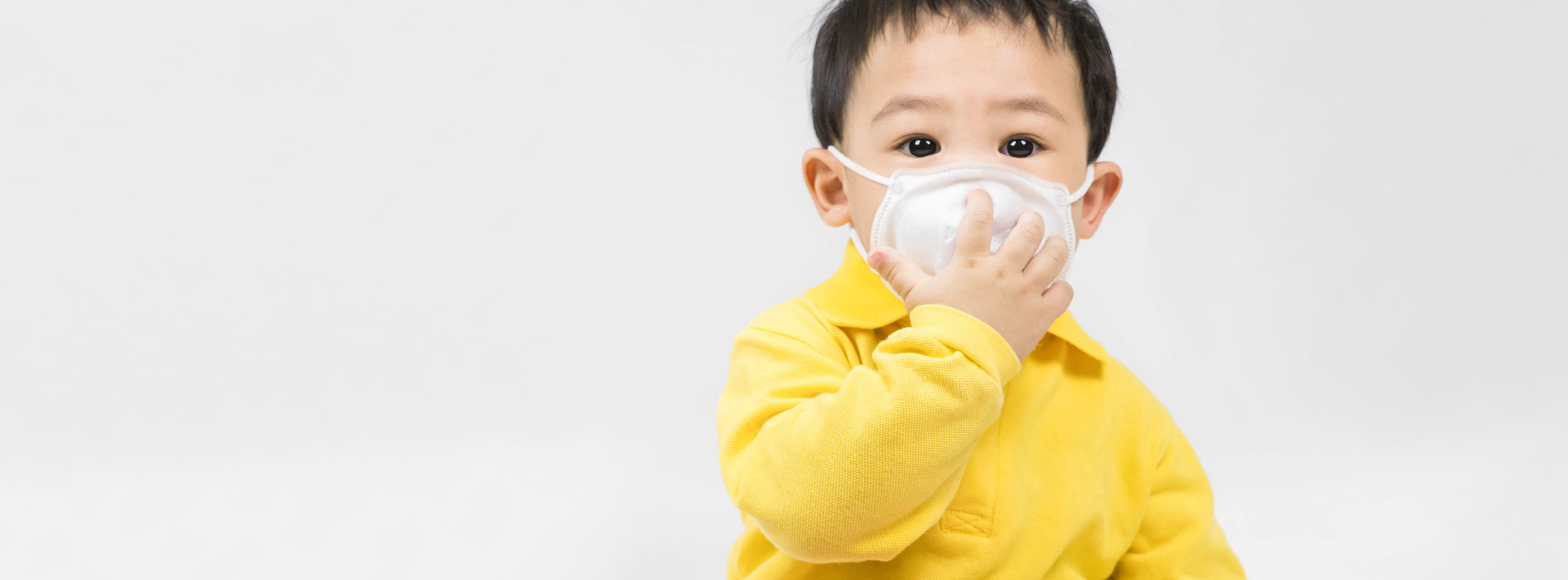
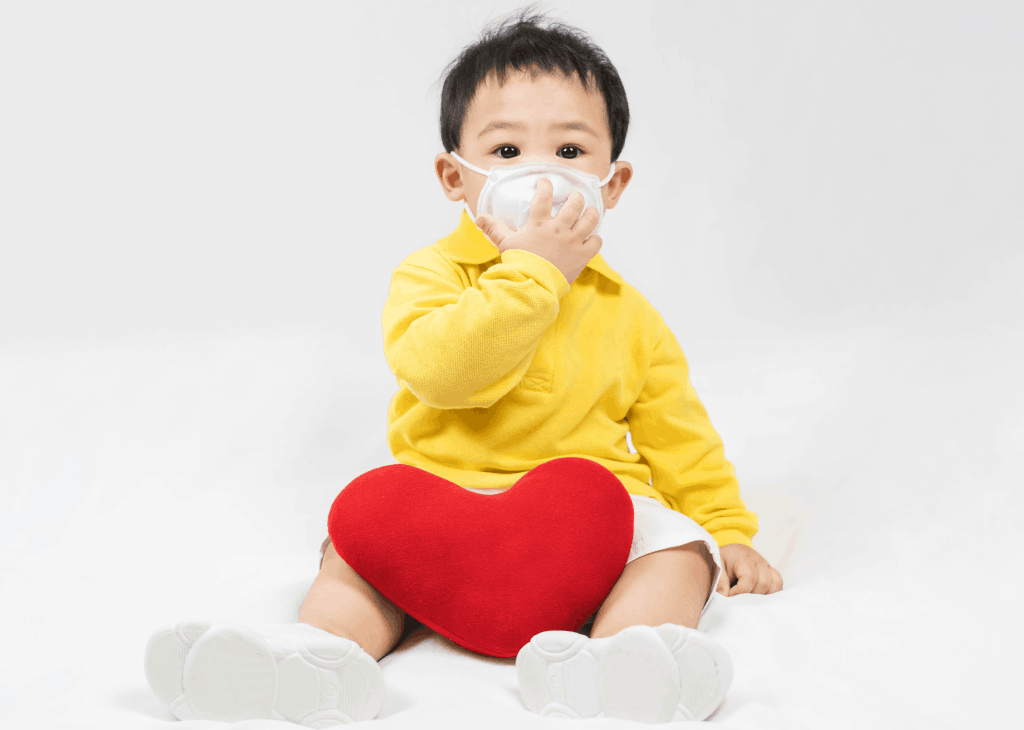
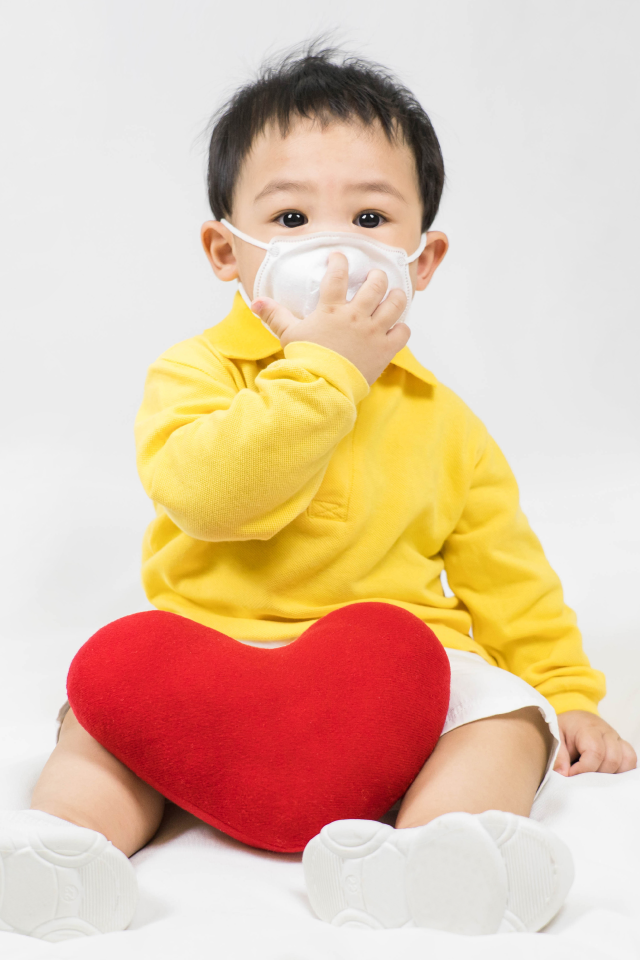
• Have your child wear a face mask when going outside;
• Let your child wear protective glasses when outdoors to reduce direct exposure to dust;
• Avoid outdoor exercise during periods of heavy smog and high dust levels;
• Use an air purifier at home;
• Avoid activities that increase toxic dust, such as smoking, burning incense or candles, and grilling or barbecuing; and
• Strengthen your child’s health by providing a balanced diet from all five food groups, including vegetables and fruits rich in vitamins B, C, and E; encourage drinking at least 6–8 glasses of clean water per day, along with regular exercise and sufficient rest.
Heartfelt thanks to Ms. Piyarat ‘Ann’ Lertbannaphong, M.D., a specialized pediatrician.